
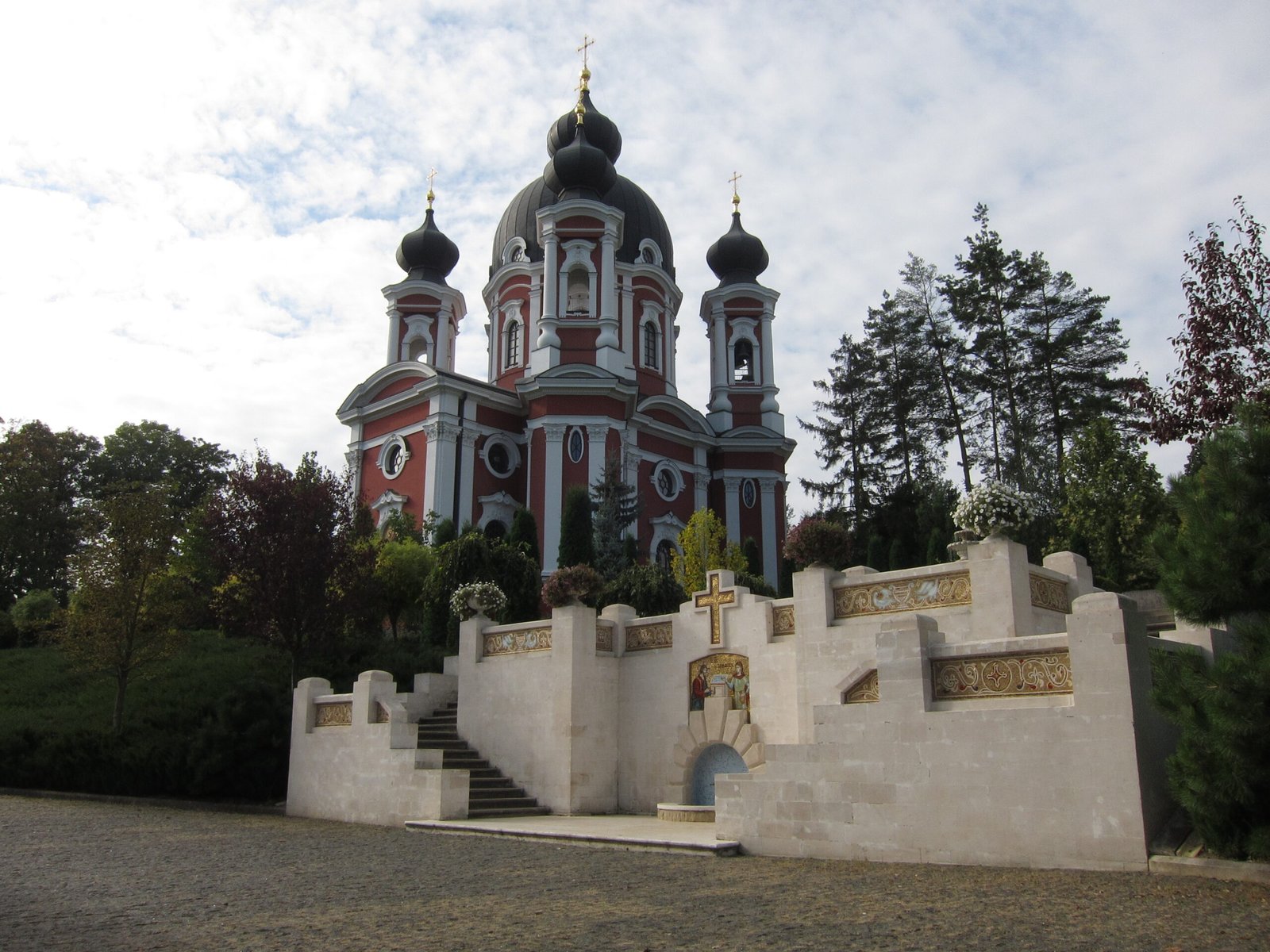
Chisinau is worth visiting for travelers who want a calmer, greener, more affordable European capital — one built around parks, museums, wine culture, and easy access to the rest of Moldova, rather than a single headline landmark. First documented on July 17, 1436, the city today combines 19th-century architecture, Soviet-era buildings, and modern public space in a compact, walkable center. This guide covers what to see first, the city’s best parks and museums, its wine credentials, and how to plan a weekend visit.
What Is Chisinau Known For?
Chisinau is best known for its green parks, layered architecture, and role as the natural gateway to Moldova’s wine country. The city blends 19th-century buildings, white-stone Soviet-era architecture, and modern development side by side, which is a large part of why it feels distinctive rather than interchangeable with other regional capitals.
Chisinau’s history runs deeper than its modern role as capital — the first documented mention of the city dates to July 17, 1436, in a charter of Moldavian princes, making it one of the region’s older settlements as well as its administrative center today.
What Should You See First in Chisinau City Center?
Start at Cathedral Square, the clearest single introduction to central Chisinau, established between 1830 and 1840 alongside the Nativity Cathedral complex that still anchors it. The square sits beside the Triumphal Arch, completed in 1840 to commemorate Russia’s 1830 victory over the Ottomans, and together the two landmarks form the historic core most walking routes start from.
From Cathedral Square, continue on foot to Stephen the Great Public Garden and the surrounding civic center — a compact stretch that brings together Chisinau’s religious, political, and public life in roughly a 15-minute walk, and gives first-time visitors a fast, unhurried orientation to the city.
What Are the Best Parks in Chisinau?
Chisinau is one of the greener-feeling capitals in the region, with parks covering a meaningful share of the urban area. Two stand out for most visitors:
Valea Morilor Park is the largest and best known, covering 114 hectares around a 34-hectare artificial lake, originally laid out in 1950. Its Cascade Stairs, rebuilt in 2016 with 218 steps, has become the park’s most photographed feature, alongside a boat rental area and open-air amphitheater.
Stephen the Great Public Garden is Moldova’s oldest park, roughly 7 hectares, originally designed in 1818 by Russian military engineers during the reign of Alexander I. It’s smaller and more central than Valea Morilor, making it the easier of the two to fit into a short city-center walk.
| Park | Size | Established | Best for |
|---|---|---|---|
| Valea Morilor Park | 114 ha (34 ha lake) | 1950 | A longer scenic walk, boating, the Cascade Stairs |
| Stephen the Great Public Garden | ~7 ha | 1818 | A quick, central stop between Cathedral Square and the civic center |
Which Museums in Chisinau Are Most Worth Visiting?
The two most useful museums for first-time visitors are the National Museum of History of Moldova and the National Museum of Ethnography and Natural History — together they explain the country, not just the capital.
The National Museum of History holds 12 exhibition halls and more than 300,000 exhibits spanning Moldova’s story from prehistoric times through the 20th century, making it the strongest single stop for context before exploring further. The Ethnography and Natural History Museum is older still, tracing its history to 1889 — making it Moldova’s oldest museum — and holds around 135,000 exhibits focused on Moldovan culture, tradition, and the country’s natural landscape.
Is Chisinau a Good City for Wine Lovers?
Yes — Chisinau works well for wine lovers both for its in-city wine bars and its proximity to major winery experiences just outside town. The best-known trip from the capital is Cricova, whose underground galleries stretch more than 120 kilometers at depths reaching 80 meters, effectively forming an underground town of wine-tasting streets.
Cricova’s National Wine Collection holds around 1.3 million bottles, including a bottle dating to 1902, making it one of the most substantial wine archives in Europe and an easy, high-value add-on to a Chisinau itinerary.
Is Chisinau Good for a Weekend Break?
Yes — Chisinau’s city center, parks, museums, and wine-tasting options fit naturally into two to three days, which is the range most first-time visitors need. A simple structure works well: one day for the historic center and museums, one day for parks and local restaurants, and one day for a winery day trip or countryside excursion.
That combination is Chisinau’s core advantage as a weekend destination: compact enough to cover on foot in a short stay, but varied enough — architecture, parks, food, wine — that the visit doesn’t feel thin.
What Can You Visit Near Chisinau?
The two most common add-ons from Chisinau are Cricova Winery and Orheiul Vechi. Cricova suits wine-focused travelers with an afternoon to spare; Orheiul Vechi, a cave monastery complex built into limestone cliffs above the Raut River, suits travelers who want landscape, heritage, and a more rural slice of Moldova beyond the capital.
Both are manageable as half- or full-day trips from Chisinau, which is part of why the capital works so well as a home base rather than a single-stop destination.
Why Is Chisinau Worth Visiting Now?
Chisinau is worth visiting now because it still feels genuinely under-discovered — a capital with real local character, meaningful green space, and cultural depth, without the crowding that comes with heavier tourism. That’s not marketing framing: Moldova remains one of the least-visited countries in Europe, which in practice means no queues at Chisinau’s museums and few crowds at its landmarks.
For travelers who prefer destinations that feel lived-in rather than packaged for tourism, Chisinau is a strong fit — a city best experienced by walking, eating, and using it as a base for the wider country, rather than checking off one iconic sight.
FAQ
Is Chisinau worth visiting?
Yes — Chisinau is worth visiting for travelers who want a relaxed capital with parks, museums, wine culture, and easy day trips rather than a single headline landmark. Its combination of 19th-century architecture, Soviet-era buildings, and green space gives it a distinct character among regional capitals.
- Best suited to travelers who enjoy walking, museums, and wine over dense checklist sightseeing
- Two to three days covers the highlights comfortably
- Pair it with a Cricova or Orheiul Vechi day trip to round out a short stay
- Mistake to avoid: expecting a landmark-dense city center — Chisinau’s appeal builds cumulatively rather than around one sight
Next step: see the 1-Day Tours page to combine city highlights with a wine cellar day trip.
What is Chisinau famous for?
Chisinau is famous for being Moldova’s capital, for its green public spaces, and for serving as the natural base for wine and culture-focused travel across the country. It’s also known for blending historic architecture, Soviet-era buildings, and modern city life within a compact, walkable center.
- First documented on July 17, 1436, giving the city genuine historical depth
- Valea Morilor Park and Stephen the Great Public Garden anchor its reputation for green space
- Proximity to Cricova’s underground wine galleries adds to its wine-tourism profile
- Mistake to avoid: assuming Chisinau’s fame rests on one landmark — it’s the combination that defines the city
Next step: see the 1-Day Tours page for guided city and wine cellar options.
How many days do you need in Chisinau?
Most visitors need 2 to 3 days in Chisinau — enough time to see the city center, visit one or two museums, spend time in the main parks, and add a winery or countryside day trip. Extend to 4+ days if you want to combine the city with a second day trip further afield.
- Day 1: Cathedral Square, Triumphal Arch, Stephen the Great Public Garden
- Day 2: National Museum of History or Ethnography Museum, plus Valea Morilor Park
- Day 3: Cricova or Orheiul Vechi day trip
- Mistake to avoid: booking only a single day — Chisinau’s parks and museums are easy to underestimate in a rushed visit
Next step: see the Multiday Tours page for itineraries that combine the city with day trips.
What are the best things to do in Chisinau?
The best things to do in Chisinau are walking Cathedral Square and the Triumphal Arch, spending time in Stephen the Great Public Garden and Valea Morilor Park, visiting the National Museum of History or the Ethnography Museum, and adding a wine experience such as Cricova.
- Cathedral Square and the Triumphal Arch pair naturally as a first stop
- Valea Morilor’s Cascade Stairs (218 steps, rebuilt 2016) is one of the most photographed spots in the city
- Cricova’s 120km of underground galleries make it the standout day-trip add-on
- Mistake to avoid: skipping the museums in favor of parks alone — the History Museum in particular gives useful context for the rest of a Moldova trip
Next step: see the 1-Day Tours page for guided options covering these highlights.
Is Chisinau a good base for wine tours?
Yes — Chisinau is one of the best bases for wine tourism in Moldova, both for its own wine bars and its short distance from Cricova, whose underground galleries stretch more than 120 kilometers and hold a National Wine Collection of around 1.3 million bottles.
- Cricova is reachable as a half-day trip from central Chisinau
- The collection includes bottles dating back to 1902
- Combine a Cricova visit with a Chisinau city morning for an efficient single day
- Mistake to avoid: treating a Cricova visit as a full-day commitment — it pairs well with city sightseeing on the same day
Next step: see the 1-Day Tours lineup for current Cricova and city-tour pricing.
Which museum should I visit first in Chisinau?
For most visitors, the National Museum of History of Moldova is the strongest first stop, since its 12 exhibition halls and 300,000+ exhibits give the clearest overview of the country’s background before exploring further. Travelers more interested in tradition and daily life may prefer the National Museum of Ethnography and Natural History instead.
- National Museum of History: prehistoric era through the 20th century, best for context
- Ethnography and Natural History Museum: Moldova’s oldest museum (founded 1889), ~135,000 exhibits, strongest on culture and tradition
- Both are within easy walking distance of central Chisinau
- Mistake to avoid: trying to fit both into a single rushed visit — each merits at least an hour or two on its own
Next step: see Contact Us if you’d like a guided museum-focused city day arranged.
Conclusion
Chisinau earns its place as Moldova’s essential first stop: a green, walkable, historically rooted capital — first recorded in 1436 — with strong museums, a genuinely world-class wine day trip on its doorstep, and few of the crowds that come with more heavily touristed European capitals. Two to three days is enough to see it properly; add a day for Cricova or Orheiul Vechi and it becomes a complete, well-rounded short trip.